“До тех пор, пока будем так похабно относиться к своей истории и своей земле, ничего у нас не поменяется. Глубоко уверен – настоящим патриотом может стать только тот человек, который не гадит на своей улице, а не тот, кто выпивает стакан за прошлые и будущие победы.“
Мои дедушка и бабушка по материнской линии оба родились, росли и обучились в гимназиях древнейшего уездного города Рыльска на самой границе с Україной, которого историк и краевед Н. Н. Чалых прозвал духовным центром в Курской области. По данным описанным в его истории города, до 30-х годах прошлого столетия, в Рыльске стояли 20 церквей. Из них остались три.
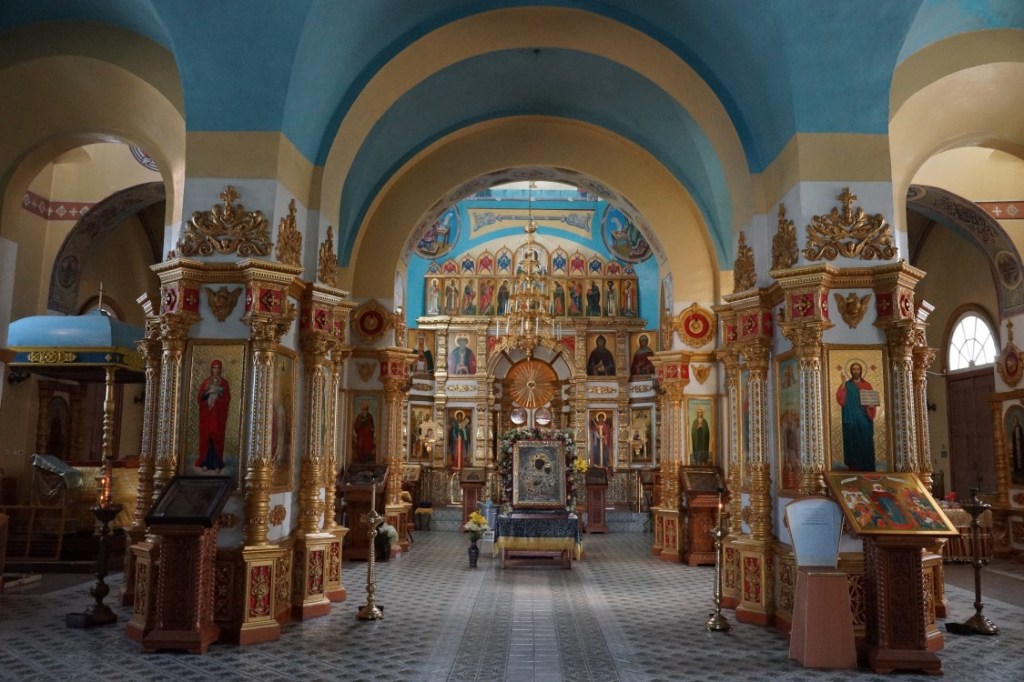
Покровский храм, куда ходили молиться бабушка с семьёй, остался единственной церковью, где богослужения почти не прервались за все годы жестокой советской воинствующей безбожницы. В 2011 году, летом, я вернулась в Рыльск и когда подошла в первые к воротам Покровской церкви, на коленях поклонилась до земли на святом месте перед святыней которая выжила всё и где когда-то – до беспощадных гонений, до расстрелов, воровства, разрушения – стояли под таким же тёмно-синим летним небом, крестясь, моя бабушка, её мать и отец, сестра и братья.
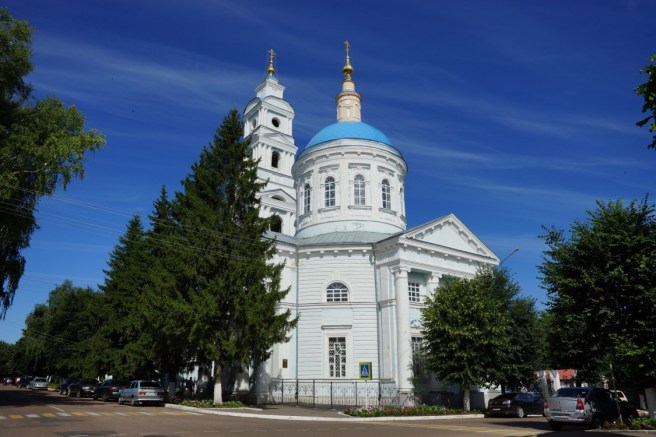
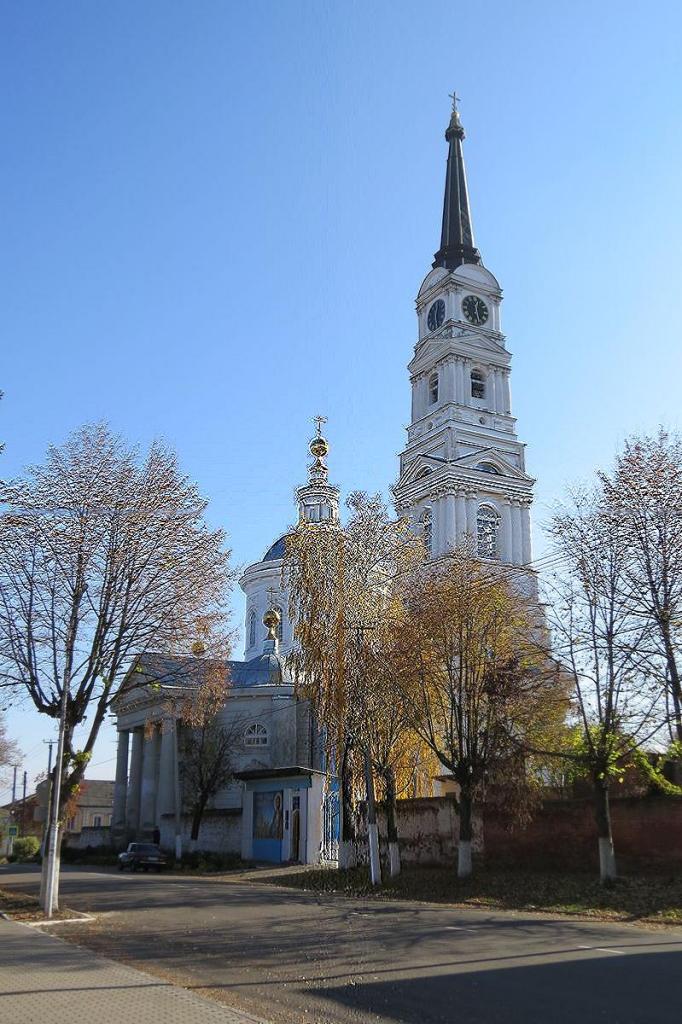
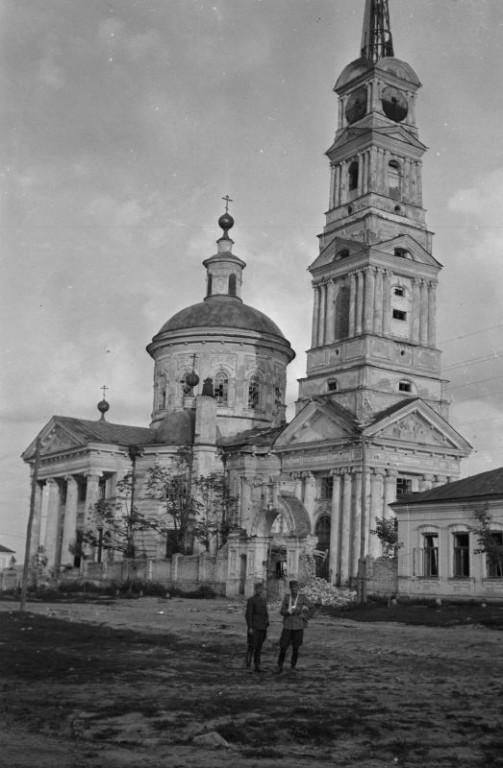
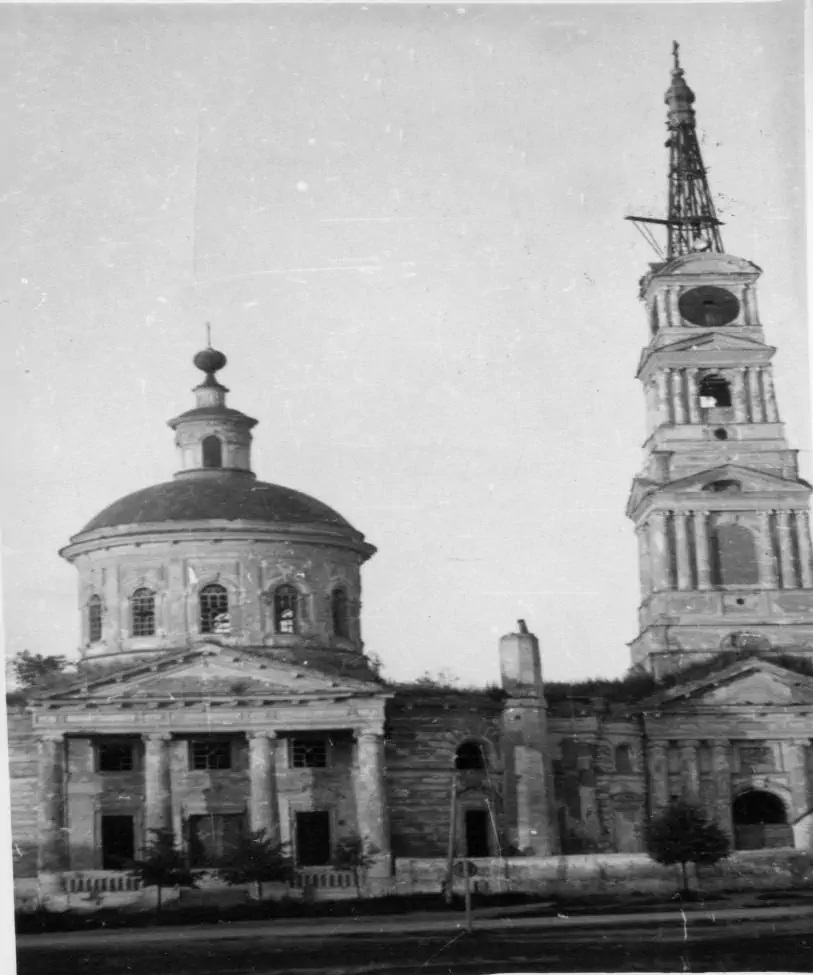
В Успенском соборе служили в священстве дяди и двоюродные дедушки по материнской линии в IX и XX веке. От них, осталась лишь одна семейная плита на старом городском Красном кладбище, где была похоронена в 1896 году жена заштатного настоятеля и протоиeрея собора Михаила Георгиевича Одинцова, который умер в 1912 году. Как говорится, ни слуху, ни духу – стёрты с лица земли. Возможно, что кто-то выжил, где-то. Но священство в 2011 году в Рыльске о них не знало. Коммунисты-безбожники пытались также стереть кафедральный собор. Его ограбили в 1922 году, стащили часы с колокольни и потом закрыли в 1936 году, после чего он был окончательно разорён и отдан на использование войсковым частям – в храме завели дровяной склад, а колокольню превратили в водонапорную башню. Здание сильно разрушилось. Реставрация и ремонт начались в 1985 году, возобновились в конце XX века, и продолжились в начале XXI века.
Успенский соборвРыльске.Успенский собор, 1 июня 1942. Успенский собор, заброшенный.Вознесенский храмвРыльске, один из трёх оставшихся церквей.
Говор
 на память бабушке,
 Елене Константиновной Левитской,
   и её городу детства,
 духовному центру в Курском крае,
 Рыльску
Там где река стремится без ограничений – в моей душе твои слова звучат, и отклик твоего наречия навсегда переливается как благовест колоколов.
А в твоём городке, в твоей деревне детства, река мелеет – опустевшие дома и кочерги стареют, покрыты занавесью пыли и забвения – и народ молчит.
Проснись Россия! Опомнись! Вспомни яркий звук души и совести наречие.
– на память дедушке, Леониду Павловичу Левитскому,
и тем соратником в Добровольческой армии
которые среди той ужасной, братоубийственной войны
боролись за свободную Россию
бескорыстно и с искренней честью,
уважая и охраняя народ
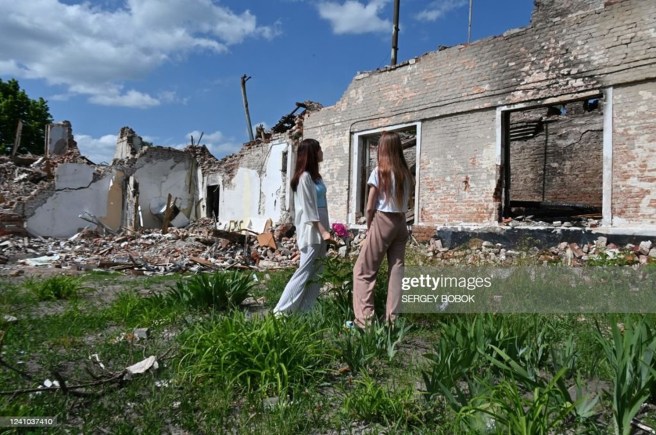
Над Україной, туман войны весит, где неба больше нет. На земле, могилы окопами чернеют. Cреди деревьях, кресты с цветами как безмолвные молитвы хранят погибших без имён. Ракетами разбиты очаги и стены в миг которых строила годами надежда в лучшее.
Там, среди разрушенного, любовь на улице стоит, где дети без расстрелянных отцов и сожжённых матерей глазами измеряют горизонт, как семафор испорченный мигающий, а душой, что значит жить где по бокам единая могила, как чёрное жерло съедает семьи до корней.
А за границей, полное забвение царит среди зажиточных, свободой одарённых внуков которых предки измеряли тот самый горизонт, а душой отчаяние потери родины и стен и кочерёг жестокой Красной силе, которая сто лет спустя облачённая на новый лад и исповедуя единство, опять насилием и убийством снесла всю жизнь – ту, которую построила годами надежда в лучшее.
An English language translation of the original poem, which I wrote in Russian, follows below.
The first calling is to remember, without averting your eyes
– for my grandfather, Leonid Pavlovitch Levitsky,
and for those fellow soldiers of the Volunteer White Army
who fought selflessly and with genuine honor
for a free Russia,
respecting and protecting the people
amidst that horrific fratricidal war
The fog of war hangs over Ukraine, where there is no more sky. Graves like blackened trenches line the earth. Among the trees, crosses hung with flowers like wordless prayers keep the unnamed dead. Rockets have destroyed in seconds the hearths and walls built over many years by hope in something better.
There amidst the ruins, love stands on the street, where children without parents, fathers shot, mothers burned to death, eye the distance, measure the horizon line flashing like a broken traffic light, and with their souls add up the meaning of a life surrounded on both sides by a single grave’s black maw devouring families to their roots.
While abroad, beyond the borders, oblivion reigns among the wealthy, freedom-gifted grandchildren whose ancestors once eyed that same horizon line, while their souls measured the hopelessness of losing homeland, walls and hearths to the ruthless power of the Reds who a century later, in new vestments and professing unity, have again by rape and murder ruined life – the life built over many years by hope in something better.
На старом Красном кладбище в Рыльске нет нигде свободного места.Таким образом, я поняла, что в этом “пустом” ряду похоронено духовенство и в числе их, дяди и тёти моего дедушки. Дедушкина мама была урождённая Одинцова.В Успенском соборе служили в священстве дяди и двоюродные дедушки по материнской линии в 19 и 20 веке.Единое оставшееся семейное надгробие лежит свалено на могиле жены одного из дедушкиных дядей, заштатного настоятеля и протоиерея Успенского собора Михаила Георгиевича Одинцова, который умер в 1912 году. Справа, на другой стороне забора в центре кладбища, в параллельном следующем ряду, где стоит высокий памятник, похоронены купцы Шелеховы и Филимоновы. На вопрос о пропавших надгробных плит, мне объяснили, что плиты гранита были стащены –такое воровство очевидно было обычным делом. Хотели, якобы, забрать тоже надгробия купцов, но к сожалению они явились массивно неподвижны.
Этим слегка ироничным преуменьшением нынешние Рыляни намекали на дикий вандализм который охватил всю Россию в результате Декрета Совета народных комиссаров в апреле 1918 года о “снятии памятников воздвигнутых в честь царей и их слуг и выработке проектов памятников Российской Социалистической революции.” Декрет был сразу и с яростным рвением применён в действие. Не пощадили даже памятников на кладбищах. В 1922 году, по указу ВЦИК, началось к тому же изъятие из храмов и монастырей поголовно всех драгоценных церковных вещей. Запретили колокольный звон. А потом их “снимали,” сбрасывая с колокольней и разбивая многолетние, литейные соловья русского искусства.
В своей истории Рыльска Н.Н. Чалых пишет о зверском богоборстве:
“С горечью воспоминают потомственные рыляне-старожилы те тяжёлые для народа времена, когда в Рыльске разрушали гордость и красоту древнего города: храмы, монастыри, часовни, памятники на кладбищах. Сжигали церковные книги и архивы, всю царскую литературу, несмотря на её содержание. Уничтожали портреты и фотографии не только российской знати, но и священников, купцов, интеллигенции, офицеров. Рыляне снимали со стен фотографии и прятали в сундуках. На снимках в офицерских погонах оставляли только головы.” Рыльск – духовный центр в Курском крае, 2007, с. 98.
Ну, и понятно же, что в России до сих пор воровство и грабёж среди бела дня– особенно правительскими властями – является обычным делом.
English translation follows. There are no empty plots anywhere in the old Red cemetery in Rylsk. This is how I understood that in this “empty” row lie buried the town priests, and among them my grandfather’s uncles with their wives alongside. My dedushka’s mother’s maiden name was Odinstsova. Uncles and cousins from that side of his family served in the Uspensky Cathedral in the 19th and 20th centuries. The only remaining family gravestone lies knocked over on the grave of the wife of one of dedushka’s uncles, oldest ranking and retired at the time of his death in 1912 archpriest Mikhail Georgievitch Odintsov.On the right, on the other side of the iron fence in the center of the cemetery, in the next parallel row below the tall gravestone lie buried the merchant families of Shelekhov and Filimonov. In response to my question about the missing gravestones, locals told me that the granite gravestones were stolen – this kind of robbery was apparently commonplace. It seems that people wanted to take the merchant families’ gravestones as well, but sadly they turned out to be massively immovable.
The locals’ somewhat ironic understatement was actually alluding to the decree issued in April of 1918 by the Council of People’s Commissars that ordered “the removal of all monuments raised in honor of the tsar and his servants and the development of projects to raise monuments to the Russian Socialist Revolution instead.” The decree was implemented immediately and with furious zeal. Even the gravestones weren’t spared. In 1922, by order of the All-Russian Executive Committee, churches and monasteries were stripped of all of their gold, silver and precious stone religious objects. Church bells were silenced. Then, they were “taken down,” thrown from the belfries – some of these long-lived nightingales of Russia’s metallurgical cultural mastery were broken.
In his history of Rylsk, N. N. Chalykh writes:
“The old-timers with long family legacies in Rylsk remember bitterlythose difficult times for the people, when the pride and beauty of the ancient city was destroyed in Rylsk: temples, monasteries, chapels, monuments in cemeteries. They burned church books and archives, all works of literature from the tsarist age, regardless of their content. Portraits and photographs were destroyed not only of the Russian nobility, but also of priests, merchants, intelligentsia, and officers. People took down photographs from the walls and hid them in chests. On photographs with officers’ epaulets only the heads were left.” Rylsk –Spiritual Center of the Kursk region, 2007, p. 98.
So then it’s understandable how to this day in Russia theft and robbery in broad daylight – especially by the governing powers – is a commonplace thing.
у семейной могилы предков в Рыльске, у надгробия жены протоиерея Михаила Георгиевича Одинцова, Варвары Фёдоровной Одинцовой в июле 2011
В зелёной крапиве, на чёрном граните / разбитом, в глуши – на Красном кладбище, / среди разбоя опустевшего, твоё лицо покоилось / как в море – из глубины забытого, /
и ты ждала. Чего?Ведь отклика уж нет. / Прошло сто лет, и вымершего возвращают / только на витринах сайтов возбуждающих / неопределённое – а помнить, /
это дело сложное. Это неотложная судьба. / И вот, судьба меня направила сюда в пустынь, / где красная звезда и крест, в полной тишине / хранят разломанный гранит, и где /
единая семейная плита – которая упала под ноги, / когда-то люто сбитая с могилы, меня ждала. / Осталась только ты – вся Правда – / на этом, нашем камне, на плите написанная – /
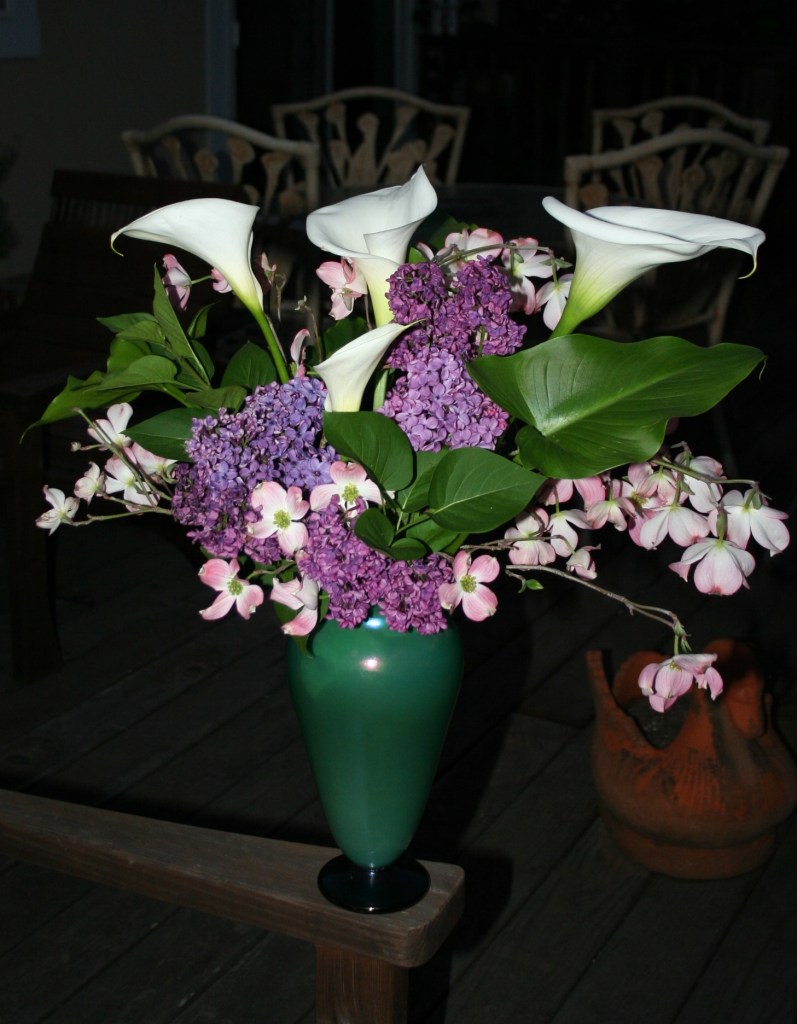
From the virgin mouths of calla lilies bled white into a place beyond existence and knee-deep in still summer water, the scent of millennia lifts across a few dark measures in my eyes to meet the silent moon. Between the flowers and this completion, There is no journey save the one of clear white mystery, acceptance of truth as it is.
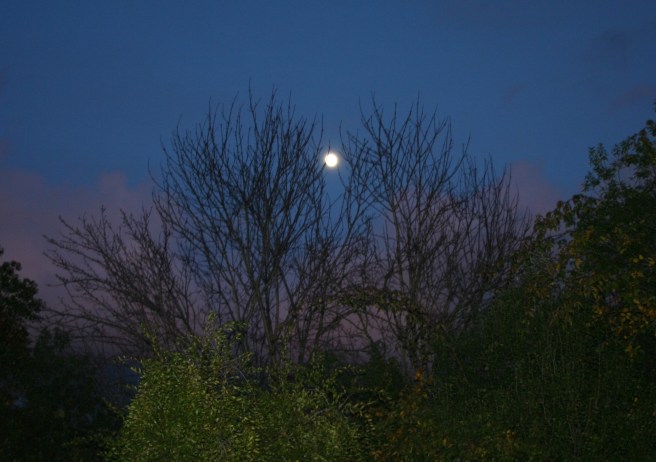
Someone recently measured a piece of the moon in pursuit of mystery, to tell it exactly like it is, and found that she was old, like Earth, as old as origin itself, found her an enigma, her trail inscrutable, her limits unmeasurable.
Between you and me there is the hard, clean edge of your mountain dwelling and this silent moon, and what else is there to measure?
 Does the moon become less clear
 with the passage of time?

 Or does it return to the onyx sky
 more clear with every early crescent
 than its own remembrance?

 And how will my love fade then
 from this sky, from this arriving evening
 and its fragrance?
she is borne by time and truth through bare branched beauty into winter's womb, her hallowed space alight with midnight’s moonbow –
it's only ice, and an illusion of the eyes, the solitary voice of reason whispers to itself, 22° in dimensional perfection, only prisms, angles and refraction –
but the moonbeam’s miracle is a gift of Sight, and in the eyes of each beholder each seed of ice bends the beam anew to make the ring of light
and the heart knows rightly how the moon is rung by beauty and the wonderment of light, with pathways of perfection no two eyes perceive alike –
her hallowed halos doubling and reborn in that one moment our eyes are uplifted, yours into night time’s rainbow and mine into her winter light.
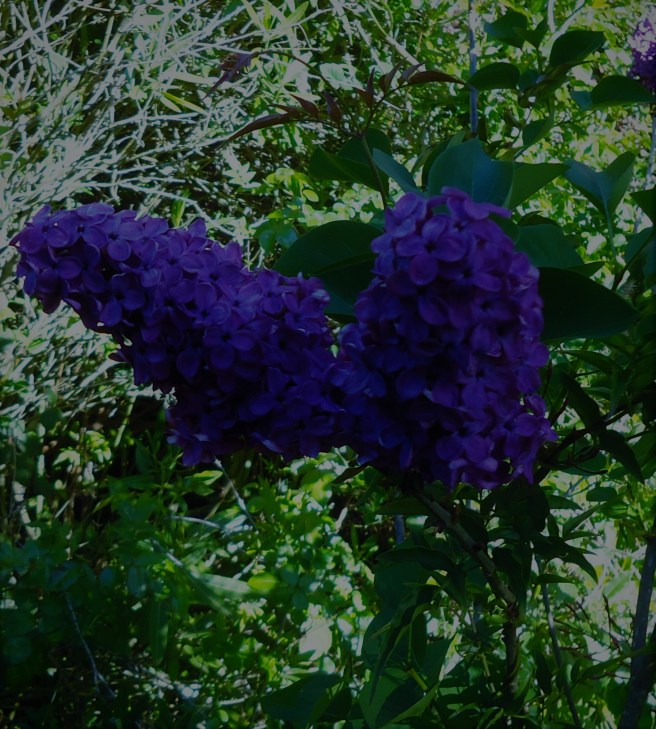
Не скупись душа. Тишина наступает. В этом сумраке свет уступает тёмному шепоту листвы, всему тому в чём тонет зримое, откуда сливается музыка других начал,
где тень сирени неподвижно движется неведомой рукой, и где она – сирень и тишина с листа читается невинными глазами и ты утихшим голосом напоминаешь все наши тайны и всю безграничность.
the wild rose beside the gate, its early sweetness barely discernible, bends so far to the wet black ground, so far – the eye is lost in this giving, and how its grace softens the space it rests inside














 of tale and truth | poems, musings & wordwanderings